tulipan This name is used for the species <Hibiscus rosa-sinensis> and [...]
| Part of Speech | s |
| PDLMA | tuli-pa!n |
| Speaker | {RLC04,RLC10,CS12} |
-
- This name is used for the species <Hibiscus rosa-sinensis> and <Hibiscus schizopetalus>, both of the Malvaceae family. These are shrubs that reach a height of 2 meters and are usually found near houses as decorative plants. The flowers are often sold because they are culturally significant and come in a variety of colors: white, yellow, orange, red, and different shades of pink. The very thick, red-colored flowers are known in Spanish as <tulipán relleno> or 'stuffed tulip', while the red and yellow flowers are known as <tulipán payaso> or 'clown tulip'. The species <Hibiscus schizopetalus>, which has red, feathery petals, is known as <tulipán araña> or 'spider tulip'. The flower with five petals is placed on recent graves and to mark the place where the body of the deceased was laid during a vigil at his or her home. The flowers are collected once they have dried out and are used during other moments of the mourning process. Tulips are also used to decorate the bedroom of a bride when she is determined to have been a virgin.
- El tulipán. Con este nombre se denomina a las especies <Hibiscus rosa-sinensis> e <Hibiscus schizopetalus> de la familia Malvaceae. Se trata de arbustos que alcanzan una altura de 2 metros. Estos arbustos suelen encontrarse en las casas a lo largo de los cercos dispuestas como plantas de ornato y sus flores se venden comúnmente pues tienen muchos usos culturales y presentan una variedad de colores. Las flores pueden ser de color blanco, amarillo, anaranjado, rosa en distintos matices o rojo. Las flores muy tupidas de color rojo se conocen como tulipán relleno. Las flores de color rojo y amarillo se le conocen como tulipán payaso. La especie <Hibiscus schizopetalus> de pétalos rojos con una textura plumada se conoce como tulipán araña. El tulipán de 5 pétalos se utiliza en las tumbas recientes y para marcar el lugar donde descansó el cuerpo de un difunto mientras se velaba en su casa. En este caso, las flores al secarse se recogen y se utilizan en otros momentos del proceso de duelo. Los tulipanes también se utilizan para decorar la cama de una novia que recién acaba de ser robada cuando se ha confirmado su virginidad. [Spanish]
- Laani nga ti yaga bandaga gadxe gadxe lu risoo bia' ti metru garonda', nuuni la rudiini ti guie' napa xtale bandagaguie' rabicabeni 'tulipan rellenu', naxiñani. Nuu xtobini la rabicabe 'tulipan payasu' ribeeni ti guie' naxiña' ne naguchi. Ne nuu xtobini la napa gaayusi bandagaguie'si, nabidxu guidubi ruaa, guie'di' la riguixhecabeni lu ba'yaa ne ora ma nabidxini la ridopani ne riaapani, ne ribi'ni ra yu'du ora riasa ba'yaa. Ne laaca riquiiñecabeni ora ruxooñenecabe gunaa, riguixhecabeni lu guidubi ruaa luuna ra nexhe gunaa bixooñe' ne laaca riguixhecabeni ndaani xigagueta ra nuu balaana'. Nuu binni ruzuhuaacani lu xle' ti gunicani sicarú lidxi ne laaca rutoocabeni. [Diidxazá]
Taxa <Hibiscus rosa-sinensis>;<Hibiscus schizopetalus>
Dictionary
La Ventosa Diidxazá Lexico-Botanical Dictionary by Gabriela Pérez Báez and Terrence Kaufman
Taxa: <Hibiscus rosa-sinensis>

Taxa: <Hibiscus rosa-sinensis>

Taxa: <Hibiscus rosa-sinensis>

Taxa: <Hibiscus rosa-sinensis>

Taxa: <Hibiscus rosa-sinensis>

Taxa: <Hibiscus rosa-sinensis>

Taxa: <Hibiscus rosa-sinensis>

Taxa: <Hibiscus rosa-sinensis>

Taxa: <Hibiscus rosa-sinensis>

Taxa: <Hibiscus rosa-sinensis>

Taxa: <Hibiscus rosa-sinensis>

Taxa: <Hibiscus rosa-sinensis>

Taxa: <Hibiscus rosa-sinensis>

Taxa: <Hibiscus rosa-sinensis>

Taxa: <Hibiscus rosa-sinensis>

Taxa: <Hibiscus rosa-sinensis>

Taxa: <Hibiscus rosa-sinensis>

Taxa: <Hibiscus rosa-sinensis>

Taxa: <Hibiscus rosa-sinensis>

Taxa: <Hibiscus rosa-sinensis>

Taxa: <Hibiscus rosa-sinensis>

Taxa: <Hibiscus rosa-sinensis>

Taxa: <Hibiscus rosa-sinensis>

Taxa: <Hibiscus rosa-sinensis>

Taxa: <Hibiscus rosa-sinensis>

Taxa: <Hibiscus rosa-sinensis>

Taxa: <Hibiscus rosa-sinensis>

Taxa: <Hibiscus rosa-sinensis>
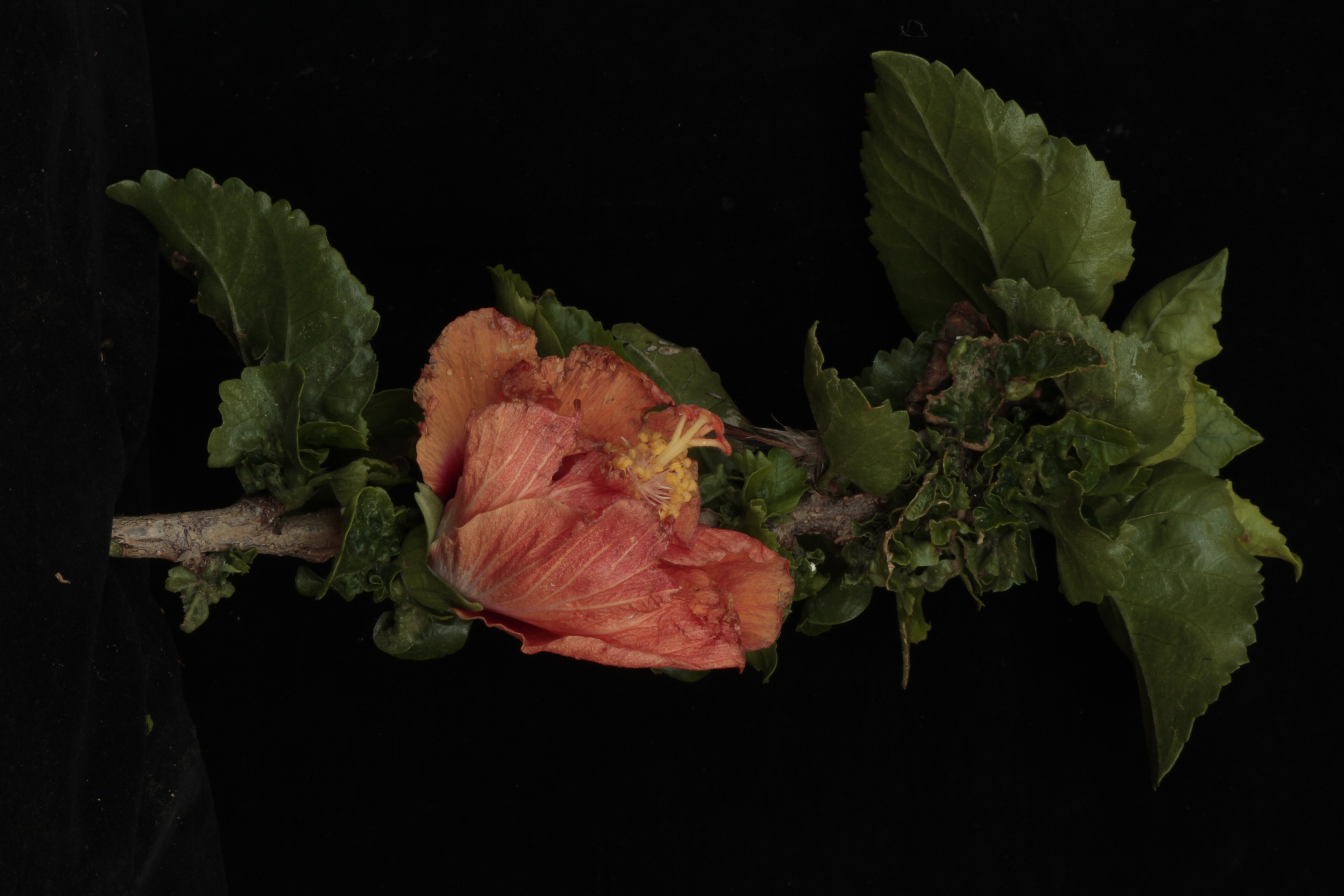
Taxa: <Hibiscus rosa-sinensis>

Taxa: <Hibiscus rosa-sinensis>

Taxa: <Hibiscus rosa-sinensis>

Taxa: <Hibiscus rosa-sinensis>

Taxa: <Hibiscus rosa-sinensis>

Taxa: <Hibiscus rosa-sinensis>

Taxa: <Hibiscus rosa-sinensis>

Taxa: <Hibiscus rosa-sinensis>

Taxa: <Hibiscus rosa-sinensis>

Taxa: <Hibiscus rosa-sinensis>

Taxa: <Hibiscus rosa-sinensis>

Taxa: <Hibiscus rosa-sinensis>

Taxa: <Hibiscus rosa-sinensis>

Taxa: <Hibiscus rosa-sinensis>

Taxa: <Hibiscus rosa-sinensis>

Taxa: <Hibiscus rosa-sinensis>

Taxa: <Hibiscus rosa-sinensis>

Taxa: <Hibiscus rosa-sinensis>

Taxa: <Hibiscus rosa-sinensis>

Taxa: <Hibiscus rosa-sinensis>

Taxa: <Hibiscus rosa-sinensis>

Taxa: <Hibiscus rosa-sinensis>

Taxa: <Hibiscus rosa-sinensis>

Taxa: <Hibiscus rosa-sinensis>

Taxa: <Hibiscus rosa-sinensis>

Taxa: <Hibiscus rosa-sinensis>

Taxa: <Hibiscus rosa-sinensis>

Taxa: <Hibiscus rosa-sinensis>

Taxa: <Hibiscus rosa-sinensis>

Taxa: <Hibiscus rosa-sinensis>

Taxa: <Hibiscus rosa-sinensis>

Taxa: <Hibiscus schizopetalus>

Taxa: <Hibiscus schizopetalus>

Taxa: <Hibiscus schizopetalus>

Taxa: <Hibiscus schizopetalus>

Taxa: <Hibiscus schizopetalus>